Kuari Pass Trek - 5 Days

Kuari Pass Trek: A Beginner-Friendly Himalayan Adventure Near Joshimath

The Kuari Pass Trek is one of Uttarakhand’s most rewarding introductory Himalayan treks. Also known as the Lord Curzon Trail, it takes you from quiet oak and rhododendron forests to open alpine meadows and finally to a high mountain pass at about 12,516 ft (3,815 m).

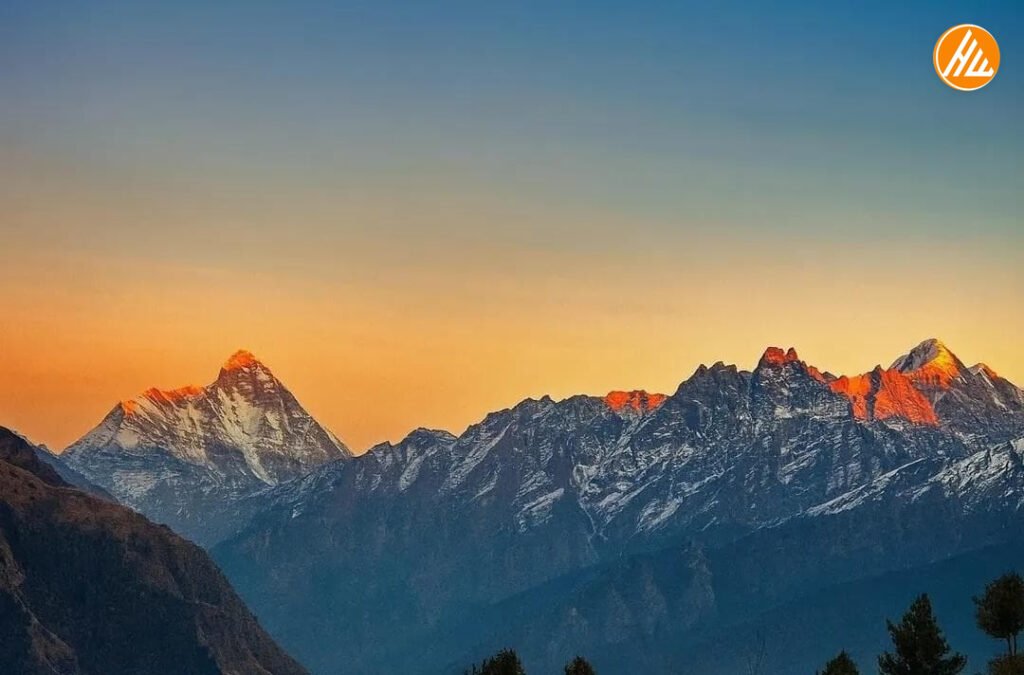
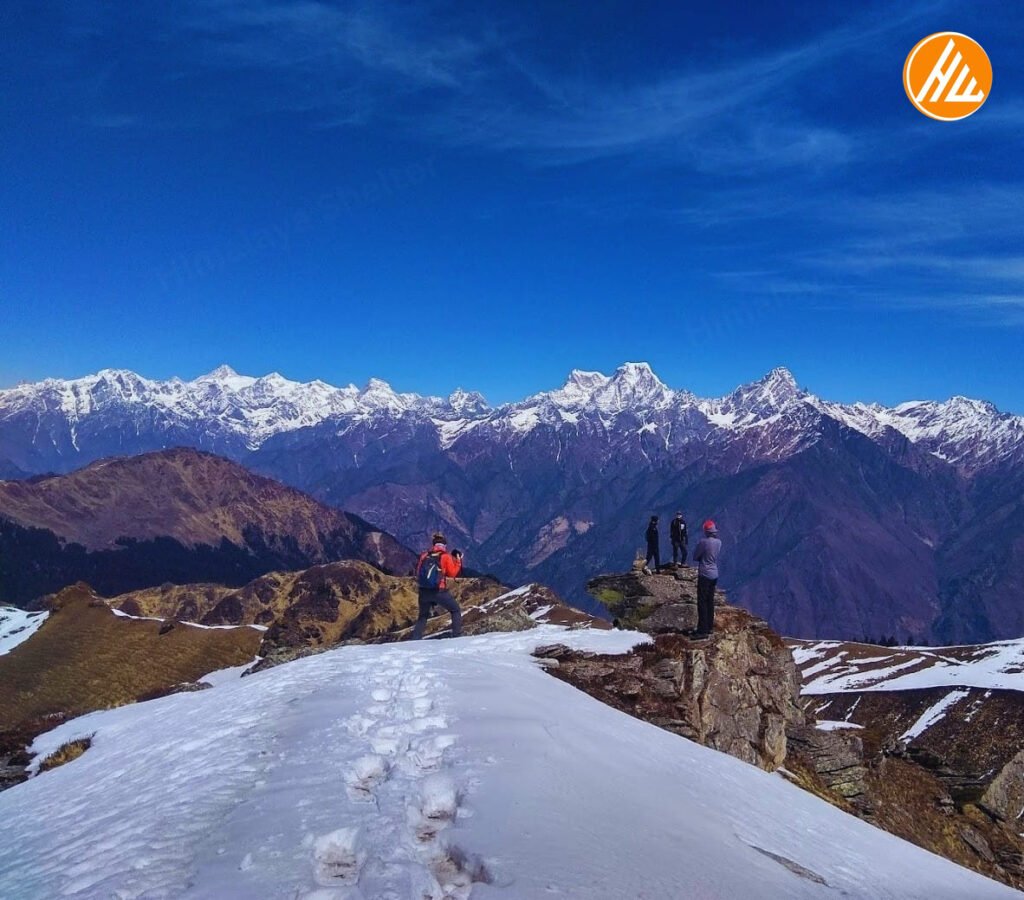
What makes this trek special is not just the altitude—it is the view. On a clear day, the horizon opens up to peaks such as Nanda Devi, Dronagiri, Kamet, Trishul, Chaukhamba, Hathi Ghoda Parvat and Kedarnath, making Kuari Pass one of the best short treks for dramatic Garhwal Himalaya panoramas.

About Lord Curzon:
Lord Curzon was a British officer who served as the Viceroy of India from 1899 to 1905. He came to Uttarakhand with Lord Lansdowne and discovered Kuari Pass in 1905. It was part of an old trade route between India and China. The name “Kuari” means unmarried or untouched.

At Himalayan Warrior, we run the Kuari Pass Trek as a safe, well-paced 5-day/4-night experience from Rishikesh, with trained trek leaders, quality camping equipment, nutritious meals and complete trail support.

Kuari Pass Trek 2027 | 5D/4N Package from Rishikesh – Himalayan Warrior

Kuari Pass Trek, famously known as the Lord Curzon Trail, is one of Uttarakhand’s most scenic beginner-friendly Himalayan treks. Located in the Garhwal Himalayas near Joshimath, this historic trail takes you through oak and rhododendron forests, remote mountain villages, alpine meadows and snow-covered ridgelines before opening up to one of the most spectacular panoramic views in the Indian Himalayas.

The trek gets its name from Lord Curzon, the former Viceroy of India and an avid trekker, who travelled this route in the early 1900s. Since then, it has been called the Lord Curzon Trail, making Kuari Pass not just a mountain adventure but also a walk through Himalayan history.

At an altitude of around 12,516 ft (3,815 m), Kuari Pass offers breathtaking views of legendary peaks including Nanda Devi, Dronagiri, Kamet, Trishul, Chaukhamba, Hathi Ghoda Parvat and Neelkanth. Because of these uninterrupted mountain vistas, the trail is often described as the “Window to the Himalayas.”

What makes the Kuari Pass Trek truly special is its perfect balance of adventure and accessibility. It does not demand technical climbing skills, yet it gives first-time trekkers the thrill of standing at a high Himalayan pass surrounded by some of India’s tallest and most sacred mountains.

Whether you visit in spring when rhododendrons bloom, autumn when the skies turn crystal clear, or winter when the trail transforms into a snowy wonderland, Kuari Pass promises an unforgettable Himalayan experience. For trekkers looking for their first high-altitude adventure in Uttarakhand, the Kuari Pass Trek with Himalayan Warrior is an ideal choice—scenic, historic, safe and deeply rewarding.

Why choose the Kuari Pass Trek?

Kuari Pass is ideal if you want your first real Himalayan trek without committing to a difficult expedition. The trail climbs gradually, the campsites are scenic, and the pass day delivers a payoff that feels far bigger than the effort required.

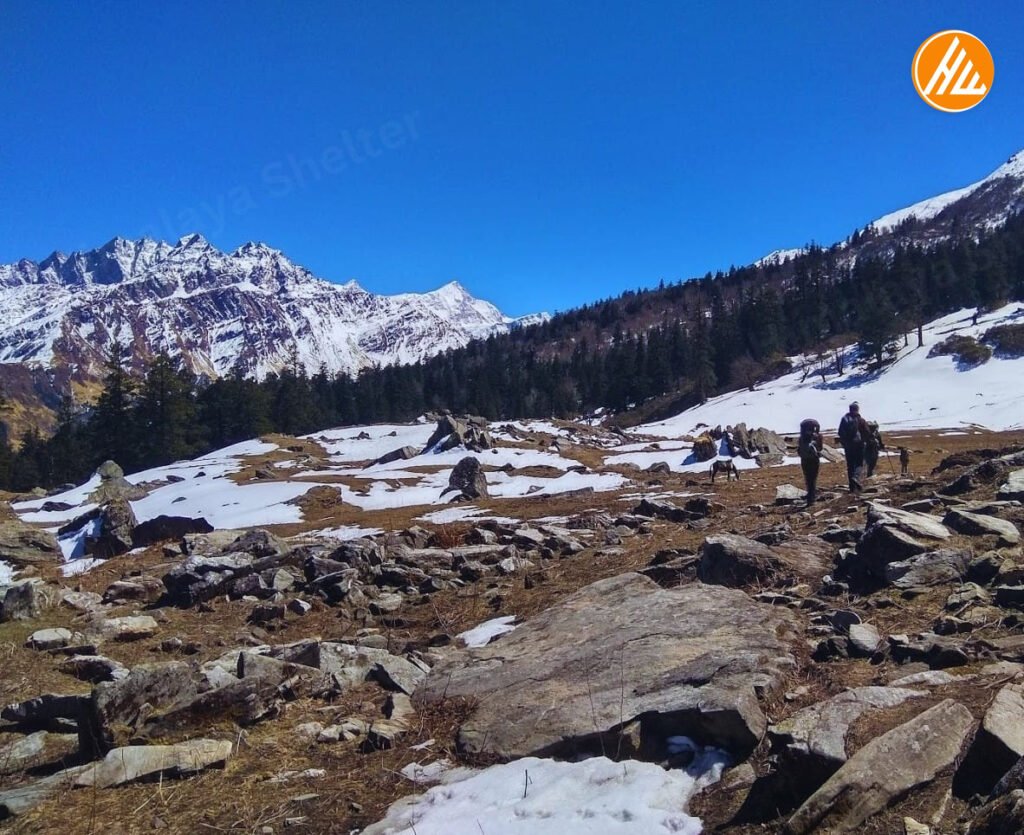
You walk through forest trails, mountain villages, open bugyals and snowy ridgelines. In winter, the landscape turns white and silent; in spring and autumn, you get clearer skies, colourful forests and more stable trekking conditions.

Kuari Pass Trek itinerary

Day 1: Rishikesh to Joshimath
Drive through Devprayag, Rudraprayag, Karnaprayag and Pipalkoti to Joshimath. Check in, meet your trek leader, and attend the evening briefing.

Day 2: Joshimath to Dhak/Tugasi, trek to Gulling
A short drive brings you to the trailhead. From here, trek through forested slopes and village paths to the Gulling campsite. This day helps your body adjust to the altitude.

Day 3: Gulling to Khullara
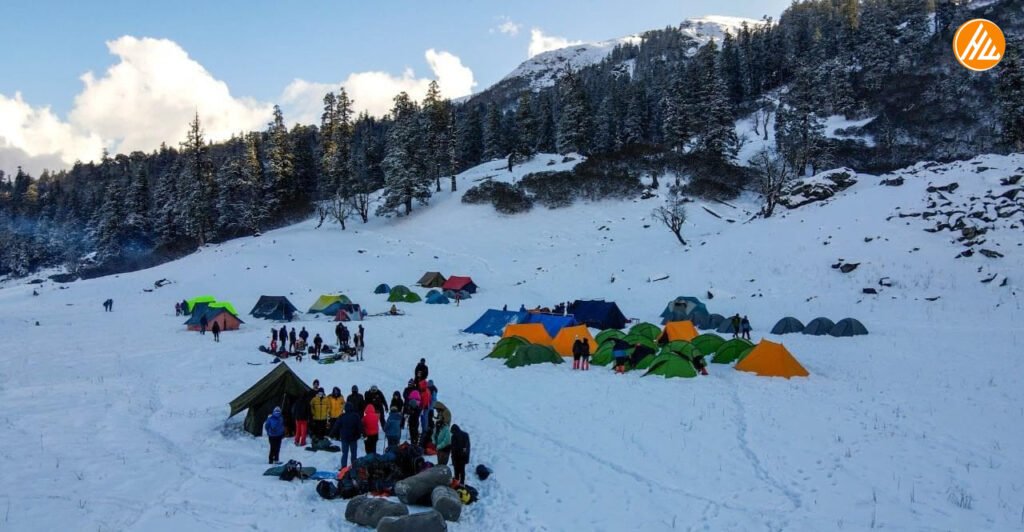
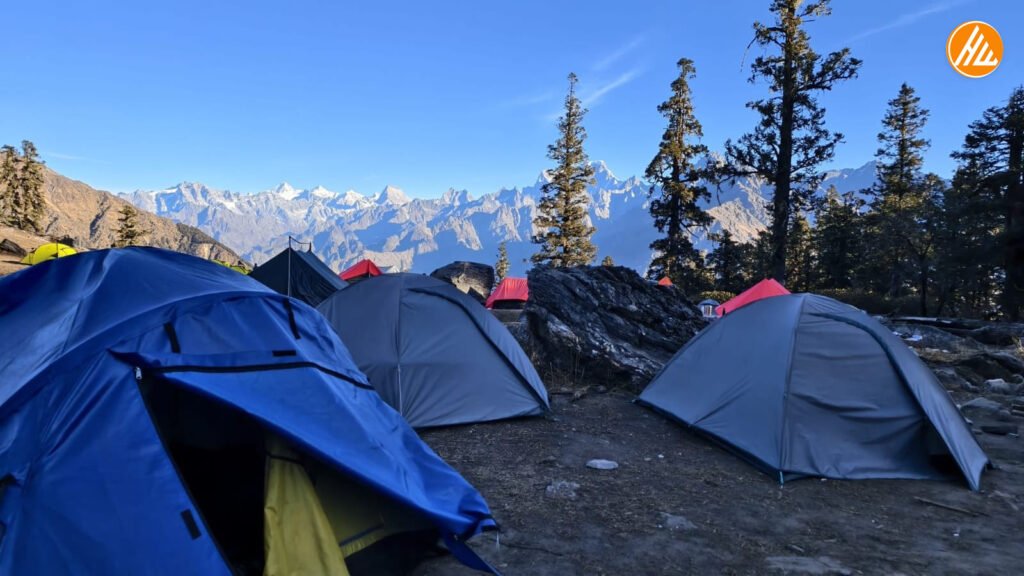
The trail becomes more open as you gain height. Khullara is a beautiful high camp with wide mountain views and is the usual base for the Kuari Pass summit day.

Day 4: Khullara to Kuari Pass and back
Start early for the highlight of the trek. Climb steadily to Kuari Pass, enjoy uninterrupted views of the Garhwal peaks, then descend to camp. This is the longest and most memorable day.

Day 5: Return to Joshimath and drive to Rishikesh
Descend through the same forest route or, in suitable conditions, exit via Gorson Bugyal and Auli before driving back to Rishikesh.

Best time for Kuari Pass Trek

The most comfortable windows are March to June and September to November. These months generally offer better trail conditions, clearer skies and pleasant daytime temperatures.

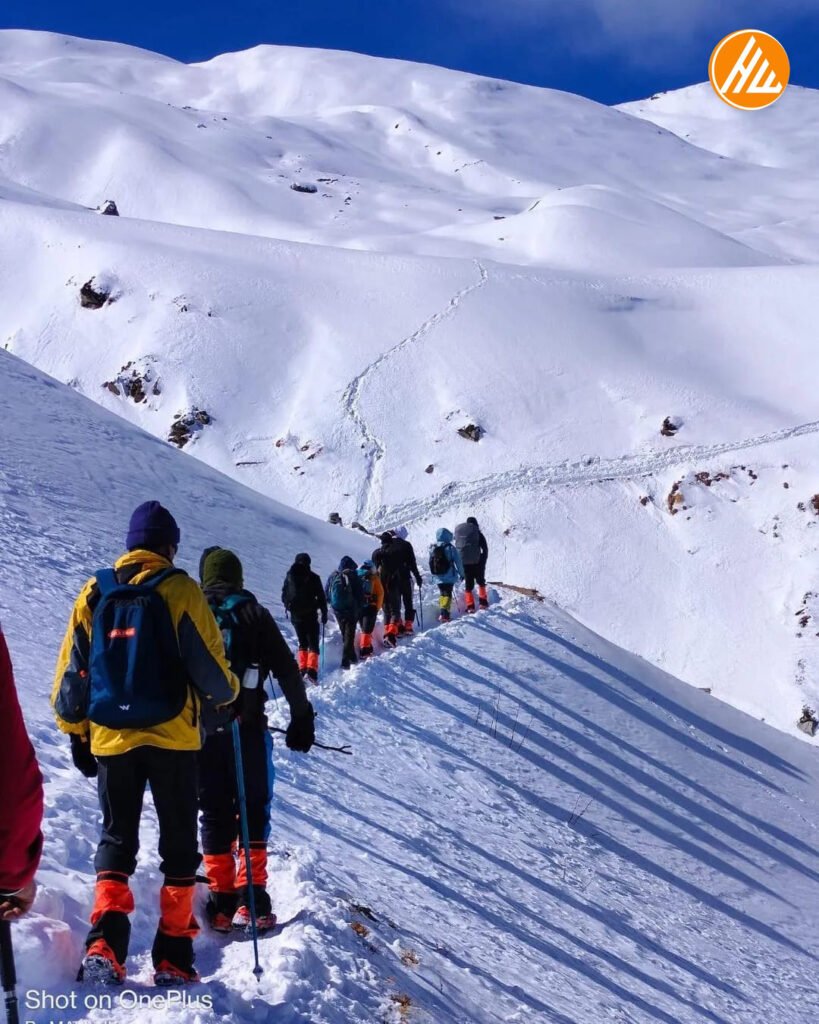
For snow, December to February is popular, but winter trekking demands proper gear, an experienced team and flexible planning because weather, snowfall and road access can change quickly.

Kuari Pass trek difficulty

Kuari Pass is graded easy to moderate. You do not need technical climbing skills, but you should be comfortable walking 5–7 km a day on uneven mountain trails.

Prepare for 4–6 weeks with brisk walking, jogging, cycling or stair climbing. If you can walk 5 km without exhaustion and climb stairs comfortably, you are likely ready for this trek.

How to reach Kuari Pass

The nearest major access towns are Rishikesh, Dehradun and Joshimath. Most trekkers travel from Rishikesh to Joshimath by road, then continue to the Dhak/Tugasi trailhead.

  • By air: Fly to Dehradun’s Jolly Grant Airport, then drive to Rishikesh or directly toward Joshimath.

  • By train: Reach Haridwar or Rishikesh, then continue by road.

  • By road: Rishikesh to Joshimath is the standard approach, followed by a short drive to the trek starting point.

What you will see

The biggest reason to choose Kuari Pass is the 180-degree Himalayan view. From the pass, trekkers often spot Nanda Devi, Kamet, Dronagiri, Chaukhamba, Trishul, Hathi Ghoda Parvat and other major Garhwal peaks.

The route also includes dense forests, remote mountain settlements, alpine meadows and, in winter, snow-covered trails and frozen landscapes.

Packing list

Carry light but warm layers. Avoid cotton clothing because it stays wet and cold at altitude.

  • 40–50 L backpack with rain cover

  • Trekking shoes with good grip

  • Thermal inners, fleece and padded/down jacket

  • Waterproof jacket or poncho

  • Two quick-dry trek pants; avoid jeans

  • Woolen cap, sun cap, gloves and neck gaiter

  • UV-protected sunglasses

  • Headlamp with spare batteries

  • Water bottle or thermos

  • Personal medicines, ORS, energy bars and sunscreen

  • Valid government photo ID

Safety and altitude tips

Kuari Pass is beginner-friendly, but it still reaches above 12,000 ft. Walk slowly, drink water regularly, avoid alcohol, and inform your trek leader immediately if you feel a persistent headache, nausea, unusual tiredness or breathlessness.

Do not ascend higher if symptoms worsen. Our trek leaders monitor the group, plan a gradual altitude gain and carry basic emergency support throughout the trek.

Kuari Pass trek cost

Himalayan Warrior offers the Kuari Pass Trek at ₹6,980 per person for a 5-day/4-night departure, subject to the selected date, group size and inclusions.

The package is designed to include essential trek support such as accommodation, meals on the trek, camping equipment, trek leader, permits where applicable, and safety arrangements. Exact inclusions, pickup point and gear details should be confirmed on the booking page.

Ready to see Nanda Devi from a Himalayan pass?
Book your Kuari Pass Trek with Himalayan Warrior and trek the historic Lord Curzon Trail with a safety-first team, comfortable camps and unforgettable Garhwal views.

FAQs

1. What is the Kuari Pass Trek famous for?
Kuari Pass is famous for its wide Himalayan panorama, especially views of Nanda Devi, Dronagiri, Kamet, Trishul and Chaukhamba. It is also known as the Lord Curzon Trail because the route was travelled by Lord Curzon in the early 1900s.

2. Where is Kuari Pass located?
Kuari Pass is located in the Chamoli district of Uttarakhand, in the Garhwal Himalayas. The usual trek base is Joshimath, with trailheads near Dhak, Tugasi or Auli depending on the season and route.

3. How difficult is the Kuari Pass Trek?
The trek is easy to moderate. It does not require technical climbing, but trekkers should have basic stamina for daily walks of around 5–7 km on mountain terrain.

4. Can beginners do the Kuari Pass Trek?
Yes. Kuari Pass is one of the best beginner-friendly high-altitude treks in Uttarakhand, provided you prepare with regular walking, jogging or stair climbing for a few weeks before departure.

5. What fitness level is required for Kuari Pass Trek?
You should be able to walk 5 km comfortably without excessive fatigue. A good benchmark is brisk walking or jogging 5 km in around 35–45 minutes, along with regular stair climbing.

6. What is the maximum altitude of Kuari Pass?
Kuari Pass sits at approximately 12,516 ft or 3,815 m above sea level.

7. How many days does the Kuari Pass Trek take?
Most Kuari Pass itineraries take 5 days and 4 nights, including travel from Rishikesh or Dehradun. Some operators offer 6-day versions with a more relaxed pace or an Auli/Gorson Bugyal exit.

8. What is the total trekking distance?
The trekking distance is usually around 26–33 km, depending on whether you start from Dhak/Tugasi or Auli and how the return route is planned.

9. When is the best time to do Kuari Pass Trek?
The best time is March to June and September to November for clearer weather and comfortable trail conditions. December to February is best for snow, but winter conditions require proper preparation.

10. Is there snow on the Kuari Pass Trek?
Yes. Snow is common from December to March, especially near the higher camps and the pass. In winter, the trail can be fully covered in snow, so microspikes, gaiters and an experienced trek leader are important.

11. How cold does it get during the Kuari Pass Trek?
Daytime temperatures are usually pleasant in the trekking season, but nights can drop below zero. In winter, temperatures at higher camps may fall to around -8°C to -14°C

12. Is Kuari Pass Trek safe for first-time trekkers?
Yes, when done with a professional team. The route is non-technical, but it reaches over 12,000 ft, so gradual ascent, hydration, proper clothing and listening to your trek leader are essential.

13. Can children join the Kuari Pass Trek?
Children above roughly 12–15 years can join if they are physically fit and accompanied by a parent or guardian. Age and fitness requirements can vary by operator, so confirm before booking.

14. Can senior citizens do the Kuari Pass Trek?
Fit senior citizens can do the trek, but anyone above 55–60 years, or with heart, lung, blood-pressure or joint issues, should consult a doctor first and share a medical fitness certificate with the operator.

15. Do I need prior trekking experience?
No prior high-altitude trekking experience is required. However, basic fitness, proper footwear and a positive attitude toward camping and mountain weather are important.

16. Is Kuari Pass Trek suitable for solo travellers?
Yes, solo travellers can join a fixed-departure group. For safety, navigation and permits, it is better to trek with an organised group or a local guide rather than attempting the route alone.

17. Do I need a permit for Kuari Pass Trek?
Yes, forest or entry permits may be required for the Kuari Pass route. Himalayan Warrior assists with the necessary permits as part of the trek arrangement; carry a valid government photo ID.

18. What documents should I carry?
Carry an original government photo ID such as Aadhaar, passport, driving licence or voter ID, along with a photocopy. Some operators may also require a medical declaration or fitness certificate.

19. What should I pack for the Kuari Pass Trek?
Pack trekking shoes, thermal layers, a fleece, padded jacket, waterproof layer, trek pants, gloves, woollen cap, sunglasses, sunscreen, headlamp, water bottle, personal medicines and a 40–50 L backpack.

20. Are toilets available during the trek?
On camping sections, operators generally set up dry-pit or toilet tents at the campsite. Carry toilet paper, hand sanitiser and a small personal hygiene kit.

21. Will I get mobile network during the trek?
Network coverage is available in Joshimath and nearby areas, but it becomes weak or unavailable on higher trails and campsites. BSNL may work intermittently in some higher areas, but do not depend on it.

22. Is electricity available at the campsites?
No. Most campsites do not have electricity. Carry a fully charged power bank and use your phone sparingly for navigation, photos and emergencies.

23. What kind of accommodation is provided?
You will usually stay in a guesthouse or hotel at Joshimath and in alpine tents during the trek. Sleeping bags, mattresses and tents are normally provided by the trek operator.

24. What food is served on the trek?
Simple vegetarian meals are typically provided, including breakfast, lunch, evening snacks and dinner. Meals are prepared to give you enough energy for high-altitude walking.

25. Can I offload my backpack?
Yes, many operators offer backpack offloading at an additional cost. However, carrying a light daypack with water, snacks, layers and personal medicines is still necessary.

26. Is alcohol allowed on the Kuari Pass Trek?
No. Alcohol is not recommended at high altitude because it can cause dehydration and worsen altitude-related symptoms. Avoid it before and during the trek.

27. What are the signs of altitude sickness?
Common signs include headache, nausea, dizziness, loss of appetite, unusual tiredness and breathlessness. Inform your trek leader immediately; do not climb higher if symptoms worsen.

28. Can I do Kuari Pass Trek in December or January?
Yes, December and January are popular for a winter snow experience. However, heavy snowfall can affect road access, camping conditions and the route, so choose a date with an experienced operator.

29. Is Kuari Pass better than Kedarkantha?
Kuari Pass is better if you want grand multi-peak Himalayan views and a more open high-altitude landscape. Kedarkantha is better if you prefer a classic forest trail with a summit climb.

30. Why book Kuari Pass Trek with Himalayan Warrior?
Himalayan Warrior offers a structured 5-day itinerary, trained trek leadership, camping support, meals, safety-focused planning and a beginner-friendly pace—so you can enjoy the Lord Curzon Trail without compromising on safety.
DAY 1 :   Drive from Rishikesh to Tugasi | Start of the Journey

DAY 2 : Trek from Tugasi Base Camp to Gulling

DAY 3 : Trek from Gulling camp site to Khulara camp site

DAY 4 :  Khullara to Kuari Pass Summit and Back to Camp

DAY 5  : Khulara Camp site – Base Location Tugassi To Rishikesh

Itinerary

Day 1
Drive from Rishikesh to Tugasi | Start of the Journey

Begin your trip early from Rishikesh and travel towards Tugasi village near Joshimath, located in Chamoli district. The 8–10 hour drive offers amazing views of rivers, forests, and mountain roads. Enjoy the peaceful surroundings and changing landscapes as you move deeper into the Himalayas

Day 2
Trek from Tugasi Base Camp to Gulling

After breakfast, start your trek from the Tugasi base point. Walk through green forests and open meadows, crossing small streams along the trail. As you move higher, enjoy the fresh mountain air and calm surroundings. By afternoon, reach Gulling and settle into your campsite. End the day with a warm meal and a quiet evening in the heart of nature.

Day 3
Trek from Gulling Camp to Khulara Camp

• After breakfast, begin your journey toward Khulara Camp.
• The trail takes you through breathtaking views of snow-covered peaks and lush alpine meadows.
• On reaching Khulara, enjoy the peaceful surroundings and the stunning panoramic scenery.
• Rest for the night under a blanket of stars and soak in the calm mountain atmosphere.

Day 4
Khullara to Kuari Pass Summit and Back to Camp

• Start early in the morning for the trek towards Kuari Pass.
• Climb up to an altitude of about 12,500 ft (3,800 m).
• From the top, enjoy panoramic views of Nanda Devi and other majestic Himalayan peaks.
• Spend some time at the summit, soaking in the scenery and capturing photos.
• Trek back down to Khullara campsite.
• End the day relaxing under a clear, star-filled sky.

Day 5
Khulara Camp site - Base Location Tugassi To Rishikesh

We’ll return from Khullara campsite to Tugasi Base Camp by 11:00 AM, then drive from Tugasi (near Joshimath) back to Rishikesh, ending our trek journey.”

Includes/Excludes

Includes

  • →Transport
  • →Forest Permit and entrance fee
  • → Accommodation in Hotel
  • → Accommodation in tents on twin share basis
  • → All meals: breakfast, packed lunch, tea, coffee, snacks, soup and dinner
  • → (All camping gears)
  • → High quality tents
  • → Sleeping bags
  • → Mattress
  • → Liner
  • → Pillow
  • → Separate Toilet tents – Ladies and Gents
  • → Dining Tent
  • → Dining Table
  • → Porters
  • → Helper
  • → Mules
  • → Kitchen team
  • → Radio Walkie Talkie for Communication
  • → Good Experience Trek Leader guide and Technical guide
  • → Medical Kit
  • → Oxygen Cylinders
  • →Crampons and Gaiters

Excludes

  • – Personal insurance
  • → Personal use trekking equipment
  • → Tipping to guide and porter
  • → Domestic airport tax (RS 170 = USD 3)
  • → Donation to the local people Medical Certificate
  • → Personal toiletry Items and Personal Medicine kit
  • → On first day En Route to base camp the Breakfast and Lunch are Not Included
  • → Last Day En Route Lunch and Dinner are Not Included
  • – Personal use trekking equipment
  • – Tipping to guide and porter
  • – Donation to the local people

Kuari Pass Trek – Frequently Asked Questions (FAQs)

Expand/Close
What is the altitude of Kuari Pass?

Kuari Pass stands at an altitude of about 12,516 feet (3814 meters). From the summit, you can see amazing views of Nanda Devi, Dronagiri, and Kamet peaks.

How long is the Kuari Pass Trek?

The total trekking distance is around 26–28 km, completed in 4 to 6 days depending on your itinerary and fitness level.

What is the best time to do Kuari Pass Trek?

The best time to visit Kuari Pass is from March to June and October to January.
• Summer (March–June): Pleasant weather, clear views, green trails.
• Winter (Oct–Jan): Fresh snow and a true Himalayan winter experience.

Is Kuari Pass suitable for beginners?

Yes , Kuari Pass is perfect for first-time trekkers. It’s graded as an easy to moderate trek and doesn’t require prior high-altitude experience.

How to reach Kuari Pass Trek?

• Nearest Airport: Jolly Grant Airport, Dehradun (270 km)
• Nearest Railway Station: Rishikesh (255 km)
• From Joshimath, a short drive takes you to Tugasi – the trek starting point.

What is the temperature during the trek?

• Summer: 5°C to 20°C
• Winter: -5°C to -10°C
Pack warm layers, gloves, and a wind-proof jacket, especially for early mornings and evenings.

Is there network or electricity available At Kuari Pass Trek?

Mobile network and charging are available till Joshimath and Tugasi. Beyond that, electricity and signal are limited so carry a power bank.

Which mobile network works at Kuari Pass Trek?

At Tugasi Village, BSNL and Jio networks work best. Airtel and Vi (Vodafone-Idea) signals are weak or often unavailable. Once you leave Tugasi and start the trek, network coverage disappears completely.

What level of fitness is required for Kuari Pass Trek

Basic fitness is enough. You should be able to walk 4–5 km daily and handle light uphill climbs with a backpack.

Will I get snow during Kuari Pass Trek?

Yes, you’ll find snow from December to March. The trail is fully snow-covered in January, making it one of the best winter treks in Uttarakhand.

Available Dates 2026-27

    1. 24 Oct – Open
      25 Oct – 13 seats Left
      26 Oct – Open
      27 Oct – 4 seats Left
      28 Oct – Open
      29 Oct – 15 seats Left
      30 Oct – Open
      31 Oct – 11 seats Left⸻November 2026

      1 Nov – Open
      2 Nov – 7 seats Left
      3 Nov – Open
      4 Nov – 12 seats Left
      5 Nov – Open
      6 Nov – 3 seats Left
      7 Nov – Open
      8 Nov – 14 seats Left
      9 Nov – Open
      10 Nov – 5 seats Left
      11 Nov – Open
      12 Nov – 18 seats Left
      13 Nov – Open
      14 Nov – 8 seats Left
      15 Nov – Open
      16 Nov – 2 seats Left
      17 Nov – Open
      18 Nov – 16 seats Left
      19 Nov – Open
      20 Nov – 9 seats Left
      21 Nov – Open
      22 Nov – 6 seats Left
      23 Nov – Open
      24 Nov – 11 seats Left
      25 Nov – Open
      26 Nov – 4 seats Left
      27 Nov – Open
      28 Nov – 13 seats Left
      29 Nov – Open
      30 Nov – 1 seat Left

      ⸻

      December 2026

      1 Dec – 10 seats Left
      2 Dec – Open
      3 Dec – 7 seats Left
      4 Dec – Open
      5 Dec – 15 seats Left
      6 Dec – Open
      7 Dec – 3 seats Left
      8 Dec – Open
      9 Dec – 12 seats Left
      10 Dec – Open
      11 Dec – 5 seats Left
      12 Dec – Open
      13 Dec – 18 seats Left
      14 Dec – Open
      15 Dec – 2 seats Left
      16 Dec – Open
      17 Dec – 14 seats Left
      18 Dec – Open
      19 Dec – 6 seats Left
      20 Dec – Open
      21 Dec – 11 seats Left
      22 Dec – Open
      23 Dec – 8 seats Left
      24 Dec – Open
      25 Dec – 17 seats Left
      26 Dec – Open
      27 Dec – 4 seats Left
      28 Dec – Open
      29 Dec – 16 seats Left
      30 Dec – Open
      31 Dec – 9 seats Left

      ⸻

      January 2027

      1 Jan – 13 seats Left
      2 Jan – Open
      3 Jan – 5 seats Left
      4 Jan – Open
      5 Jan – 10 seats Left
      6 Jan – Open
      7 Jan – 2 seats Left
      8 Jan – Open
      9 Jan – 15 seats Left
      10 Jan – Open
      11 Jan – 7 seats Left
      12 Jan – Open
      13 Jan – 4 seats Left
      14 Jan – Open
      15 Jan – 12 seats Left
      16 Jan – Open
      17 Jan – 6 seats Left
      18 Jan – Open
      19 Jan – 9 seats Left
      20 Jan – Open
      21 Jan – 3 seats Left
      22 Jan – Open
      23 Jan – 14 seats Left
      24 Jan – Open
      25 Jan – 8 seats Left
      26 Jan – Open
      27 Jan – 11 seats Left
      28 Jan – Open
      29 Jan – 1 seat Left
      30 Jan – Open
      31 Jan – 17 seats Left

      ⸻


    • 1 February – 29 February (Open)

    • 1 March  – 31 March(Open)

    • 1 April-30  April(Open)

    • 1 May – 30May (Open)


There are many ways to start your journey to Kuari Pass Trek (Lord Curzon Trail) in Joshimath, Uttarakhand.

🚆 If You’re Traveling by Train:

Your nearest railway station is Rishikesh.
You can reach here anytime — from Rishikesh, you’ll need to take public or private transport as there is no further railway connectivity.

Some Train Options:
1. Nanda Devi Express (Train No. 12205)
• Departure: 11:50 PM
• Arrival: 5:40 AM
2. Dehradun Express (Train No. 12687)
• Departure: 9:10 PM
• Arrival: 5:00 AM

⸻

✈ If You’re Traveling by Flight:

Your nearest airport is Dehradun (Jolly Grant Airport).

⸻

🚌 If You’re Traveling by Bus:

First, reach Delhi Kashmiri Gate Terminal No. 2 to catch a bus to Dehradun or Rishikesh.
The last bus from there usually leaves around 11:00 PM.

You’ll reach Rishikesh or Dehradun by morning. From there, you can take Nanda Devi or GMVN buses for Joshimath.
The last bus for Joshimath departs at 6:00 AM from both Rishikesh and Dehradun.
• Fare from Rishikesh to Joshimath: ₹800 per person
• Fare from Dehradun to Joshimath: ₹1000 per person

⸻

🚖 Private Taxi:
• Full booking: ₹12,000 (Rishikesh to Joshimath)
• Shared taxi: ₹1,200 per person

Kuari Pass Trek — Essential Trekking Gear Guide

Kuari Pass is a high-altitude Himalayan trek, and the gear you carry can make a huge difference in your comfort and safety. Since conditions here can shift quickly — from sunshine to snowfall — your packing list should be carefully chosen.
Below is a detailed list of essential equipment and clothing you’ll need for this adventure.


Trek Essentials

1. Trekking Shoes

For Kuari Pass, you’ll need sturdy, high-ankle trekking shoes with a strong grip that can handle snow and rocky trails. Avoid sports shoes — they don’t offer the ankle or sole support required for mountain terrain.

Rental Option:
You can rent high-quality trekking shoes (like Decathlon’s Quechua models) from Himalayan Warrior’s gear section.


2. Backpack (50–60 Litres)

A strong backpack with hip and shoulder support is a must. Make sure it has multiple compartments so essentials are easily accessible during the trek.

Pro Tip:
Choose one with a built-in rain cover or buy a separate one.


Clothing & Layering

Layering keeps you warm and lets you adapt to changing temperatures easily. Mountains can go from warm sun to icy winds within minutes.

Base Layer: 3 Trekking T-Shirts
• Carry 3 full-sleeve, dry-fit T-shirts (preferably with collars).
• These prevent sunburn and dry faster than cotton.
• Synthetic or polyester materials are best for the cold.

Expert Tip:
If you’re prone to cold, wear a thermal inner below your T-shirt during mornings and nights.

⸻

Warm Layers (For Winter Months)

If you’re trekking between December and March, pack at least 5 warm layers:
1. Thermal inner (top & bottom)
2. Light fleece jacket
3. Light woolen sweater
4. Padded or down jacket with a hood
5. Optional extra fleece layer for very cold days

Avoid bulky sweaters — go for lightweight, compressible fleece instead.

Trekking Pants (2 Pairs)
• Carry two pairs — one to wear and one spare for wet/snowy conditions.
• Go for quick-dry, stretchable trekking pants instead of jeans or cotton track pants.
• Zip-off pants (convertible to shorts) are ideal for daytime hikes.

Mandatory Trek Accessories

These are non-negotiable — without them, your trek could become unsafe or uncomfortable.

1. Sunglasses

UV-protected sunglasses are vital to avoid snow blindness. Snow reflects sunlight intensely, so never skip your glasses while walking on snowy stretches.

For spectacle users:
Use fit-over sunglasses or photochromic lenses.


2. Sun Cap

A sun cap protects you from heatstroke and dehydration during long sunny walks.
Golden Rule of the Himalayas: Always keep your head covered — sun cap during the day, woolen cap at night.

3. Hand Gloves

You’ll often handle snow or cold metal equipment.
Carry waterproof synthetic gloves with inner fleece padding. If unavailable, wear thin fleece gloves inside waterproof outer gloves.

4. Woollen Cap or Balaclava

Most body heat escapes through the head.
A woollen cap that covers your ears or a balaclava that also covers your neck and face is ideal for Kuari Pass’s cold nights.

5. Socks (3–4 Pairs)

Carry a mix of synthetic sports socks and woollen socks.
• Synthetic socks dry quickly and prevent blisters.
• Woollen socks add warmth during cold nights.
Avoid full-cotton socks — they stay wet and cause discomfort.

6. Headlamp / Torch

A headlamp is more convenient than a torch since it keeps your hands free — useful when setting tents, finding gear at night, or using trekking poles.


7. Trekking Poles

Trekking poles provide balance and reduce pressure on your knees — especially during steep descents.
Using two poles increases stability and helps conserve energy.

8. Rainwear

Mountain weather changes quickly.
Carry a lightweight poncho or rain jacket that covers both you and your backpack.

9. Rain Cover for Backpack

Always keep your backpack dry.
Most backpacks come with built-in covers, but if not, carry a plastic sheet or buy a separate rain cover that fits snugly.

10. Daypack (20–30 Litres, Optional)

If you offload your main bag on a mule or porter, you’ll still need a small daypack for essentials like water, snacks, medicines, and rain gear.


Final Words

The Kuari Pass Trek rewards you with breathtaking Himalayan views — from Nanda Devi to Dronagiri. But remember, preparation is key. The right gear not only ensures comfort but also keeps you safe in unpredictable mountain weather.

Meals During the Kuari Pass Trek

During the Kuari Pass Trek, we serve only fresh and pure Indian vegetarian food prepared with care by our experienced cooks. Each meal is designed to give you the right energy for trekking in the Himalayas. Your plate will usually include roti or paratha, rice, lentils (dal), vegetables, and something sweet to complete your meal.

You will get three wholesome meals every day — breakfast, lunch, and dinner — along with evening tea, soup, and snacks. On longer trekking days, we also provide packed snacks or fruits to keep you energized during the trail.

Our menu is carefully planned after understanding the nutritional needs of trekkers at high altitude. The food you get is well-balanced with the right mix of carbohydrates, protein, fiber, vitamins, and minerals, keeping you fit and active throughout the journey.

All our cooks are well-trained and experienced in mountain cooking, so the food you eat is not only healthy but also delicious, hygienic, and homely. We make sure that every trekker enjoys both the mountain views and the meals.

Day 1
• Evening Snack: Tea and evening snacks
• Dinner: Mix veg, chapati, rice, and dal


Day 2
• Breakfast: Tea and aloo paratha
• Lunch: Rice, vegetable, and dal
• Evening Snack: Maggi and tea
• Dinner: Roti, sabzi, dal, and chawal


Day 3
• Breakfast: Tea, poha, and paratha
• Lunch: Dal, chawal, and sabzi
• Evening Snack: Maggi or pakode with tea
• Dinner: Roti, sabzi, dal, and chawal


Day 4
• Morning Departure: Tea and aloo paratha
• Lunch: Dal, chawal, and sabzi
• Dinner: Mix veg, dal, roti, sabzi, and sweet dish


Day 5
• Breakfast: Tea, poha, and mixed paratha


You’ll start your day with a cup of lemon tea served in your tent to refresh your morning. Breakfast options may include upma, paratha, omelet, egg bhurji, maggi, or toast with tea or coffee.

On longer days, you’ll also get fresh fruits like apples and energy drinks such as Frooti or Maaza. In the evening, after reaching your campsite, you can relax with tea, snacks, and hot soup, followed by a warm and hearty dinner.

With us, food is something you never need to worry about — just focus on the beauty of the Kuari Pass Trek and enjoy the taste of real mountain hospitality.

Kuari Pass Trek Highlights

• Kuari Pass Trek is one of the most beautiful winter treks in Uttarakhand, offering stunning panoramic views of Himalayan peaks like Nanda Devi, Dronagiri, Kamet, and Hathi Ghoda Parvat.

• The Kuari Pass summit gives you that “top of the world” feeling — an unforgettable moment with breathtaking snow-covered mountains in the background.

• Each campsite on this trek is unique — from Gulling’s forest beauty to Khullara’s wide meadows, every stop brings a new Himalayan charm.

• Walk through ancient oak, pine, and rhododendron forests, where golden sunlight breaks through the trees and the trail feels straight out of a dream.

• Experience the peaceful Himalayan mornings as you start your sunrise hike to Kuari Top, watching the first rays of light touch the white peaks   a view you’ll remember forever.

• Camp under millions of stars, share stories around a bonfire, and enjoy the quiet beauty of the Himalayas  the true essence of trekking.

• Meet friendly local villagers on the way, learn about their Garhwali culture, and enjoy their warm hospitality that adds soul to your journey.

• Also known as the Lord Curzon Trail, this route combines adventure, history, and natural beauty  making Kuari Pass Trek a must-do for every mountain lover.

You can send your enquiry via the form below.

Kuari Pass Trek
37% Off
From ₹11,000 ₹6,980
per Person
  • Book Your Trek Just Only ₹ 2,000/INR. (Remain Amount After Arrival)
  • Booking on call available

Include

  • Transport
  • Forest Permit and entrance fee
  • Accommodation in Hotel
  • Accommodation in tents on twin share basis
  •  All meals: breakfast, packed lunch, tea, coffee, snacks, soup and dinner
  • (All camping gears)
  • High quality tents
  • Sleeping bags
  • Mattress
  • Liner
  • Pillow
  • Separate Toilet tents – Ladies and Gents
  • Dining Tent
  • Dining Table
  • Porters
  • Helper
  • Mules
  • Kitchen team
  •  Radio Walkie-Talkie for Communication
  • Good Experience Trek Leader guide and Technical guide
  • Medical Kit
  • Oxygen Cylinders
  • Crampons and Gaiters

Reviews

November 4, 2026

5848936652

5040038525
October 2, 2026

7237857409

4382422447
September 8, 2026

6456214812

7174286304
January 6, 2025

I recently had the pleasure of booking my Kedarkantha trek through himalayan warriors, and I must say, the experience exceeded my expectations. From start to finish, their service was professional, efficient, and incredibly customer-focused.

The itinerary was well-planned, ensuring we got to experience the best of Kedarkantha’s stunning landscapes without feeling rushed. The guides were knowledgeable, friendly, and always ready to help, making the trek both safe and enjoyable.

Accommodation and meals provided during the trek were impressive considering the remote location. The team ensured all trekkers were comfortable and had the necessary gear and support.

What stood out most was their attention to detail and prompt communication.

I highly recommend himalayan warrior to anyone planning a Kedarkantha trek. Their expertise and passion for creating memorable adventures truly shine through!

Sachchidanand
September 20, 2023

Unforgettable Kedarkantha Trek with Himalayan Warrior

I was pleasantly surprised by the quality of the food provided during the trek. From hearty breakfasts to delicious dinners, the meals were not only nourishing but also flavorful. Dietary preferences and restrictions were accommodated with ease.

Himalayan Warrior Trekking Company takes safety seriously. They provided essential safety equipment and ensured that everyone was adequately prepared for the trek, even in challenging weather conditions.

In summary, my Kedarkantha trek with Himalayan Warrior Trekking Company was a remarkable adventure. Their professionalism, knowledgeable guides, and commitment to safety made the journey truly memorable. I returned home with a deeper appreciation for the Himalayas and a sense of accomplishment. I wouldn’t hesitate to choose this company for my future treks in the region.

Thank you, Himalayan Warrior Trekking Company, for an incredible experience!

shispal

Add a review

​